

Between vineyards and sea spray, a cruise to savor to your heart's content
From the rivers (the Dordogne and the Garonne) to the Gironde Estuary, this cruise offers a journey with two distinct facets: an introduction to the wines and exceptional terroir of Bordeaux, as well as the chance to explore the towns and natural sites of the Atlantic coast. Absolutely delightful!
Bordeaux within easy reach
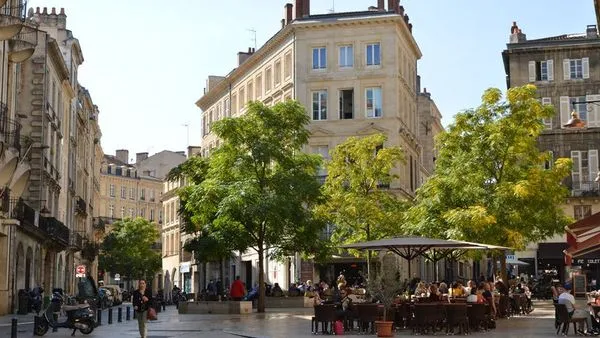
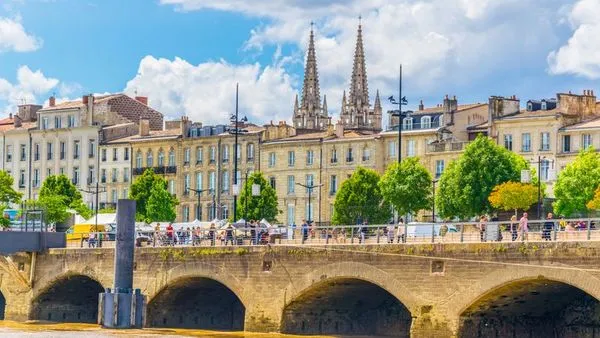
From the Quai des Chartrons, where the MS Cyrano de Bergerac is moored, Bordeaux is within easy reach, or rather, just a short walk away. Simply stroll along the river to reach the historic city center. The walk takes you past gardens, café terraces, and historic merchant buildings that evoke the city's rich commercial past.
To reach the narrow streets of Old Bordeaux, you must cross several squares, including the Place des Quinconces (the largest urban square in Europe) and the majestic Place de la Bourse, whose reflecting pool delights visitors.
Long nicknamed "the Port of the Moon" because of the crescent-shaped curve traced by the Garonne River, Bordeaux began a major urban renewal project in the late 1990s, particularly during Alain Juppé's terms in office. In 2011, when CroisiEurope became the first river cruise line to sail on the Garonne, the city's mayor boarded the ship for its inauguration. It was a true mark of recognition.
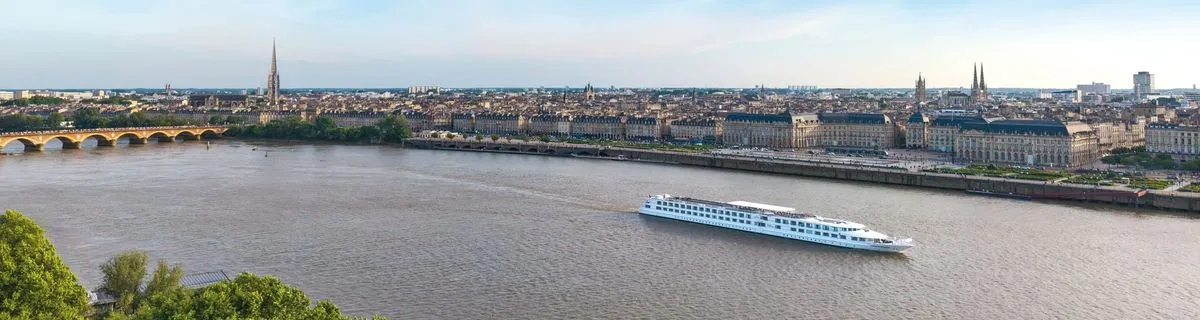
But for the MS Cyrano de Bergerac, it’s time to set sail. The first obstacle to overcome? The spectacular Jacques-Chaban-Delmas Bridge, which stretches 575 meters and whose central span can rise to a height of about 53 meters to allow tall ships and ocean liners to pass through.
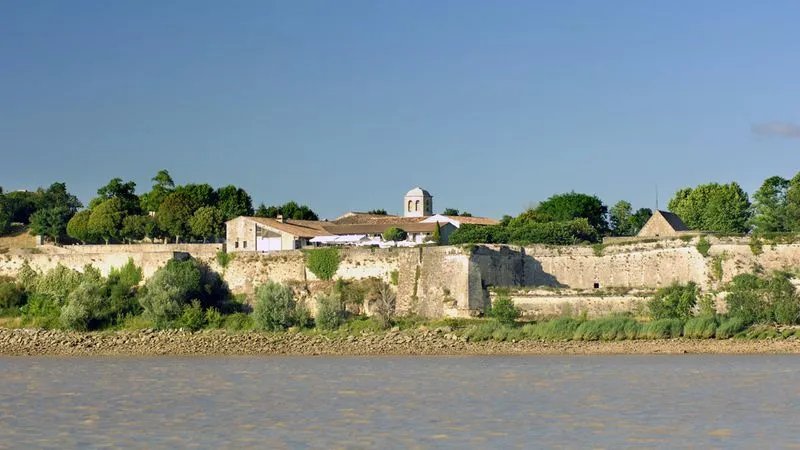
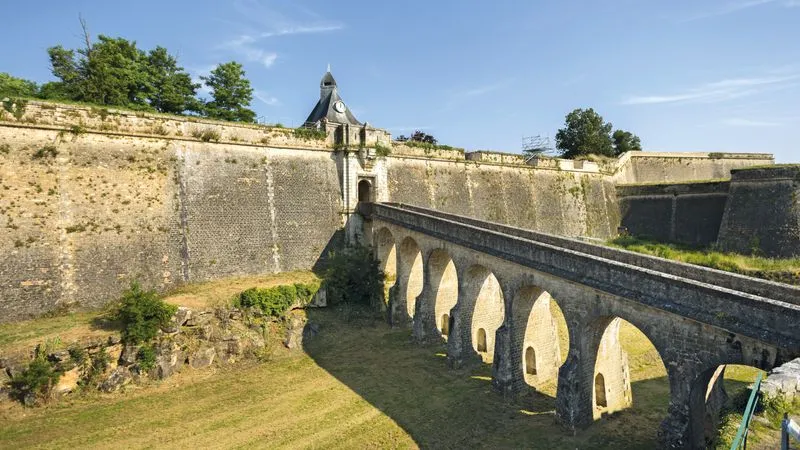
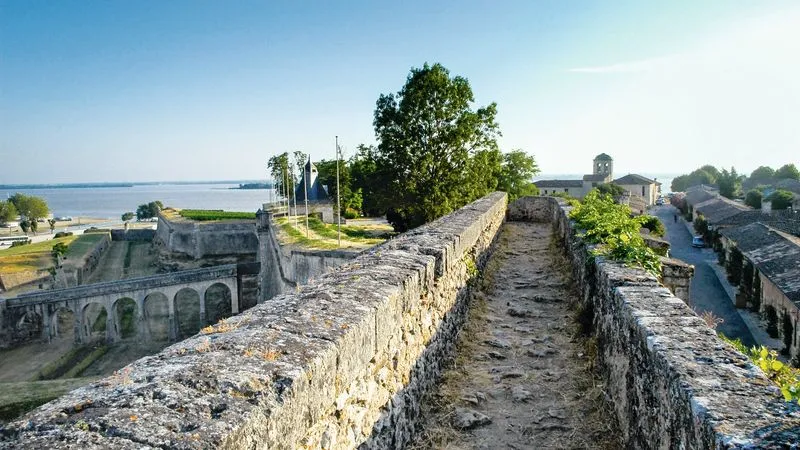
On the riverbank, the peaceful Fort Médoc soon comes into view. In the time of Louis XIV, this fortification, built under Vauban's direction, formed, along with Fort Paté and the Citadel of Blaye, a formidable defensive system… that never saw combat. Since no enemy fleet ever attempted to breach the "Lock of the Estuary," not a single cannon shot was ever fired there. Even today, the fort's silent stones serve as a reminder of this strange and peaceful victory. The night, therefore, promises to be calm.
Médoc, the Exhilaration of the Vineyards
We've traveled down the Garonne; now it’s time to journey back through the history of the greatest vintages of the Bordeaux region. We’ve arrived at the holy of holies. The Médoc is home to 60 of the 61 Grands Crus Classés of 1855 and four of the five Premiers Grands Crus Classés (Lafite Rothschild, Latour, Margaux, and Mouton Rothschild).
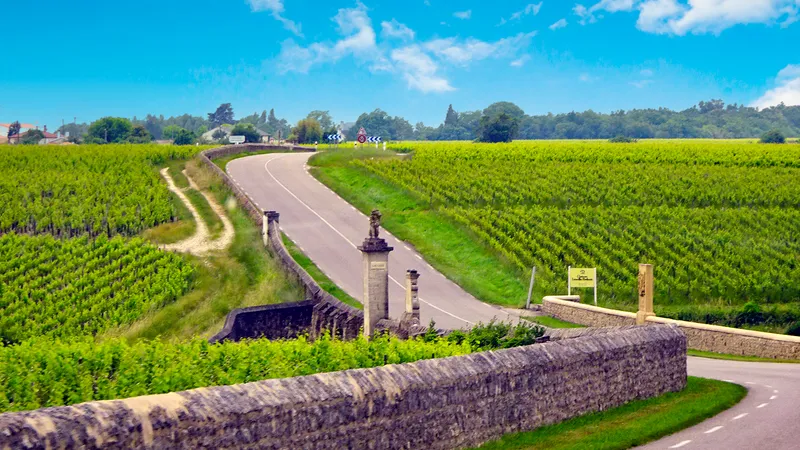
You can tour the vineyards by driving along the D2, nicknamed the Route des Châteaux, arguably one of the most prestigious wine routes in the world. In Aquitaine, they think big. Almost every estate boasts a château, there are nearly 6,000 of them across the region. But don’t get your hopes up. Here, nothing resembles Chambord or Guédelon, no double-helix staircases or ramparts studded with arrow slits. More often than not, they’re simply elegant mansions set within sprawling estates.
The Route des Châteaux is in a league of its own. Around every bend, majestic pale-stone mansions come into view, flanked by cedar-lined driveways, monumental gates, or ultra-modern wine cellars.
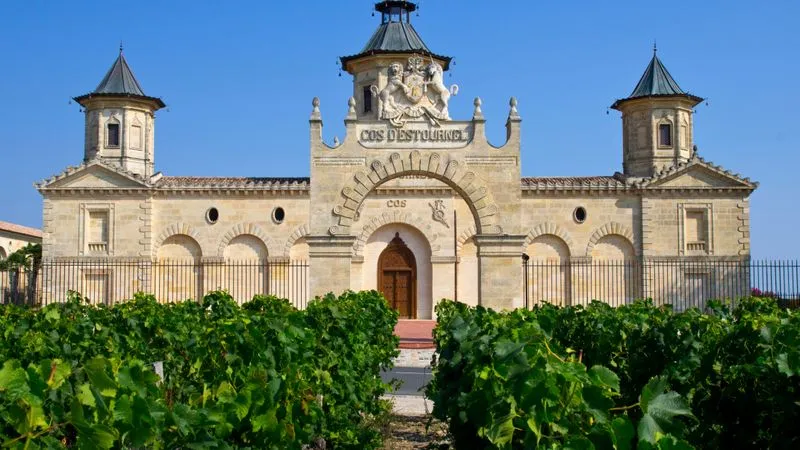
At the entrance to Saint-Estèphe stands the striking silhouette of Cos d'Estournel, whose oriental pagodas, sculpted domes, and gigantic Indian gate earned its founder, Louis-Gaspard d'Estournel, the nickname "Maharaja of Saint-Estèphe." In Pauillac stands Château Pichon Baron, recognizable by its elegant Renaissance-inspired château flanked by two turrets that now overlook the vineyards.
And there are so many other estates. So much prestige, so many flavors that make your head spin. On this remarkably flat peninsula, the vine reigns supreme. Dominated by Cabernet Sauvignon, it thrives on the "croupes de graves", those modest mounds of pebbles and gravel that make up the Médoc's finest terroirs.
Royan, Rochefort, La Rochelle… three distinct atmospheres to explore the Atlantic coast
The day before, in the late afternoon, the MS Cyrano de Bergerac quietly docked in the port of Royan, at the very mouth of the estuary. Like Caen and Le Havre, the city, which was not liberated until April 1945 (four months after Strasbourg), was virtually wiped off the map by Allied bombing raids that proved far more devastating than effective. But in the 1950s, this pioneer of seaside tourism came back to life in the style characteristic of the era: concrete and an Art Deco flair that give the city its distinctive identity today.
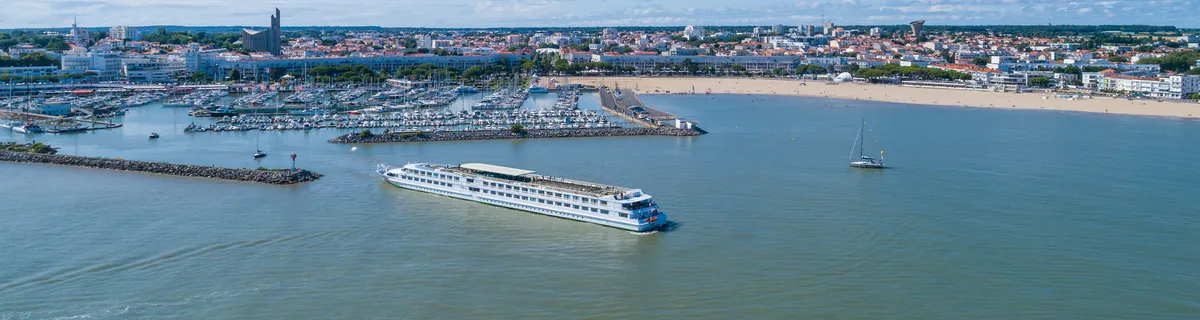
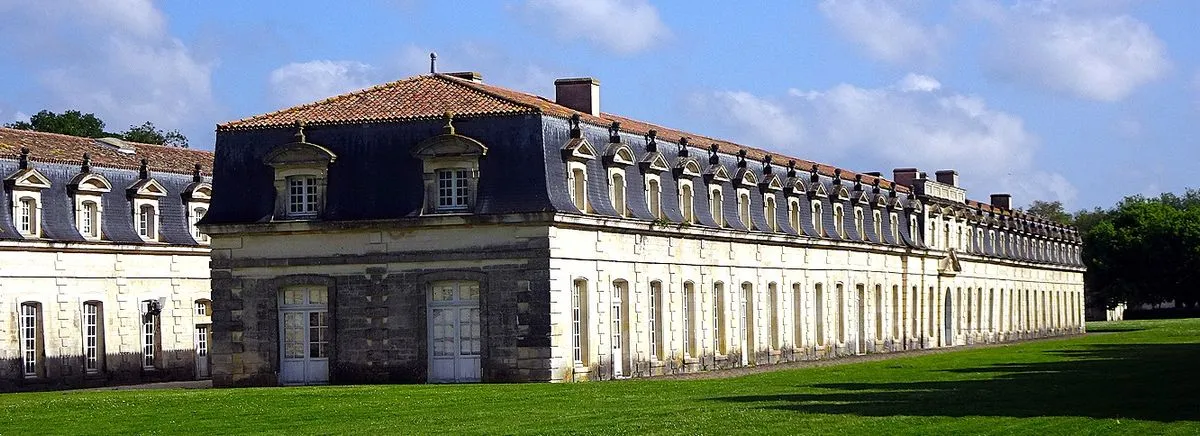
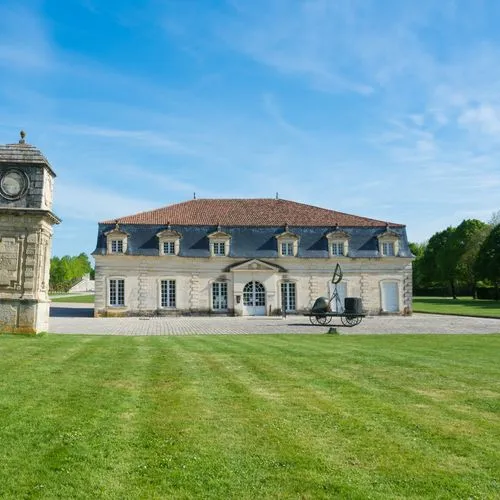
For us, it will serve as a base from which to travel up the coast and succumb to the siren call of history. First stop? Rochefort and its royal arsenal. From here, La Fayette set sail for the Americas aboard the Hermione. Here, under Louis XIV, France dreamed of forging a maritime destiny.
The most spectacular symbol of this ambition is the Corderie Royale, built between 1666 and 1669. At 374 meters long, it was one of the largest industrial buildings in Europe at the time. Its extraordinary length made it possible to manufacture the long mooring lines required by the largest ships. Back then, each vessel required more than 80 kilometers of rope.
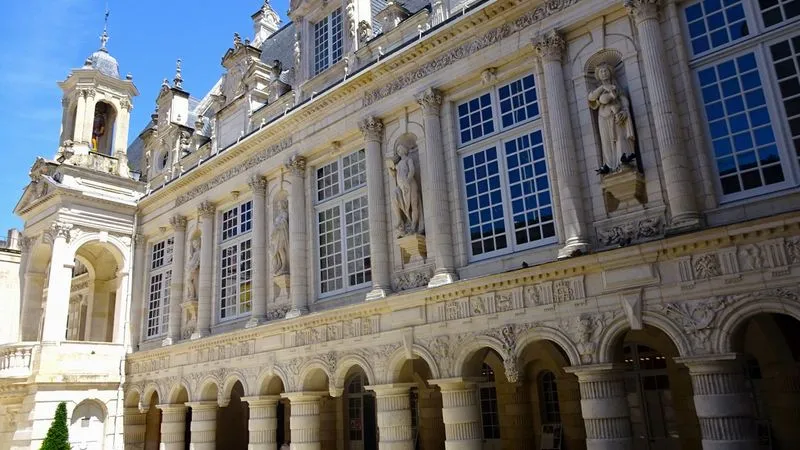
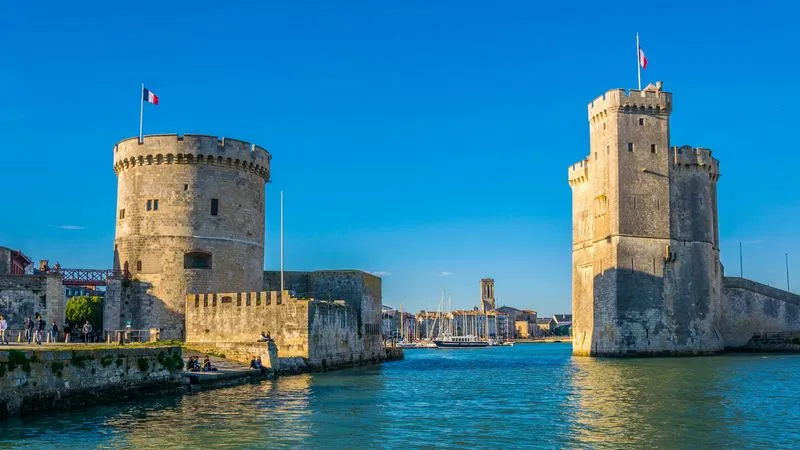
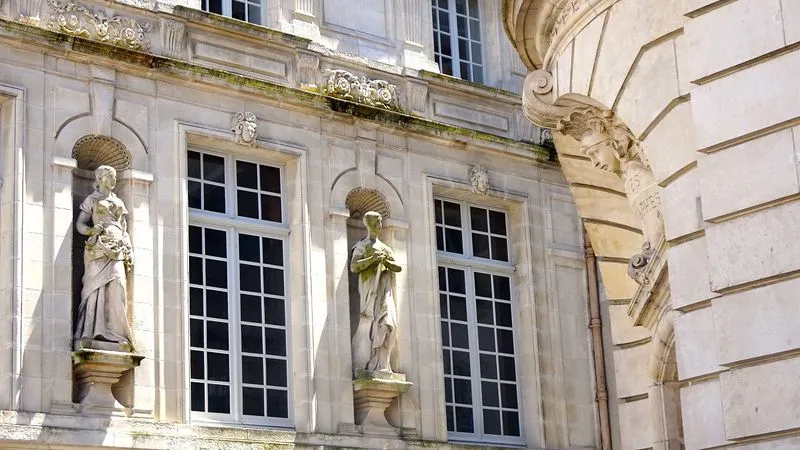
Then comes La Rochelle. With its Port des Minimes and its 5,000 mooring berths, its Renaissance-style town hall that looks like a miniature castle, and its Old Port flanked by two medieval towers, the city could easily be just a postcard. But this city, which has built its happiness between stone and ocean, has struck the right balance between the mist of the past and the winds of the future.
Resolutely eco-friendly, it was the first city in France to introduce a bike-sharing system for its residents: the famous yellow bikes. A city best explored on foot, La Rochelle exudes a quiet certainty: life is good here.
Saint-Émilion, an open-air wine cellar
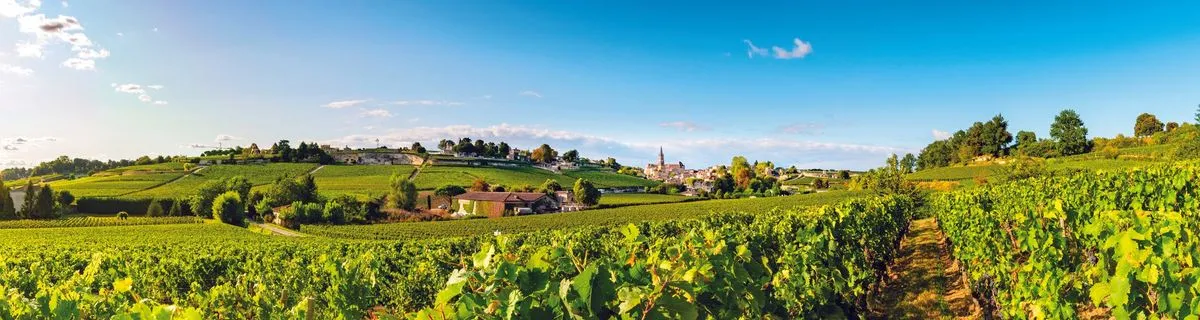
One vineyard gives way to another. From Libourne, we head to Saint-Émilion. The size of this village, with barely 2,000 residents, is inversely proportional to its reputation. Known throughout the world, Saint-Émilion is a vast open-air wine cellar. Its vineyards cover approximately 5,400 hectares. Each year, nearly 250,000 hectoliters of wine, about 30 to 35 million bottles, leave its cellars.
An army of ambassadors then sets out to conquer dining tables around the world, while inviting countless tourists to come and discover the region. Like them, we go from one surprise to the next. Here, every alley seems to have been designed by a stonemason with a passion for mazes: you go up, you go down, you turn left, you turn right… and you always end up stumbling upon a vineyard or a bottle of wine.
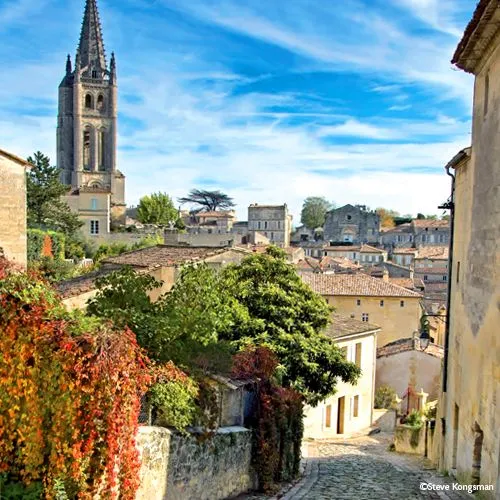
It was a hermit, named Émilion, who first found his way here in the 8th century.
For wine lovers, as for everyone else, a stroll through Saint-Émilion is therefore something of a pilgrimage.
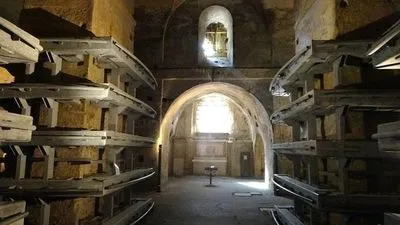
Especially since we're stopping for a break in the cool, astonishing monolithic church. As we push open the door, the noise of the town fades away. Before us lies a vast cavity carved directly into the limestone. Here, people didn’t build a church, they carved it out of the rock.
Between the 11th and 12th centuries, stonecutters removed thousands of cubic meters of stone to create this extraordinary sanctuary. We're inside the rock, in a religious building that resembles a wine cellar. Yet we won't find a single bottle of Saint-Émilion here.
The surprises of Roquetaillade and Sauternes
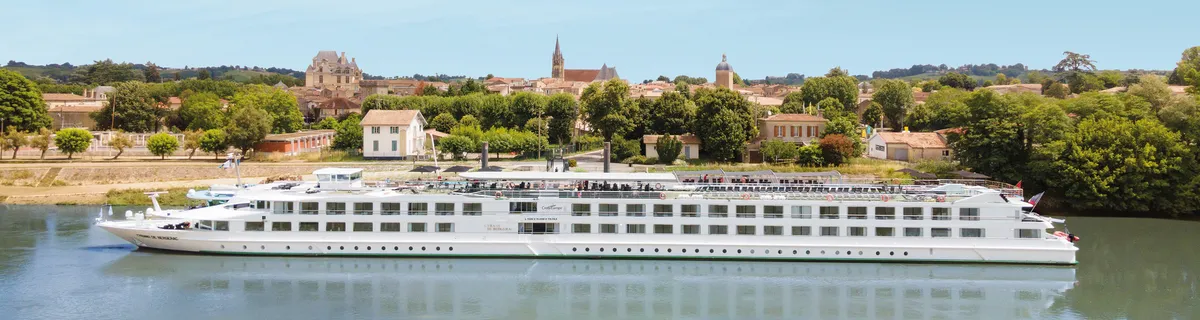
After the Dordogne, we travel up the Garonne, the other river that feeds the Gironde Estuary. We head toward Cadillac, which we pass through quickly.
While the ramparts of Roquetaillade Castle were once used to repel attackers, they have since taken on a very different role: attracting numerous filmmakers. To name just a few of the best-known examples, Louis de Funès came here to face off against Fantômas (1961), while, decades later, Brotherhood of the Wolf (2001) bared its fangs here.
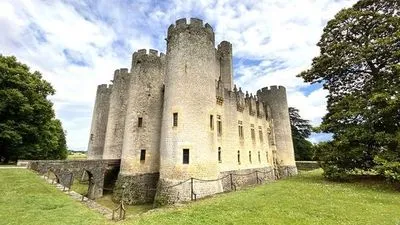
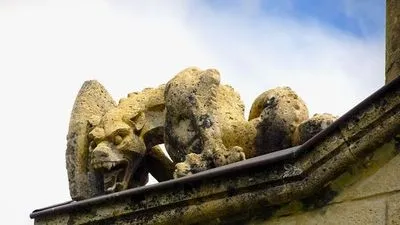
In short, even if they’ve never been here before, visitors won't find themselves in unfamiliar territory. The building is spectacular. Experts regard it as a major and remarkably successful restoration, carried out in the 19th century by the iconic architect Eugène Viollet-le-Duc. The average visitor, meanwhile, simply wanders through it with the wonder of a child. Ramparts, a drawbridge, towers, a touch of mystery… It has it all.
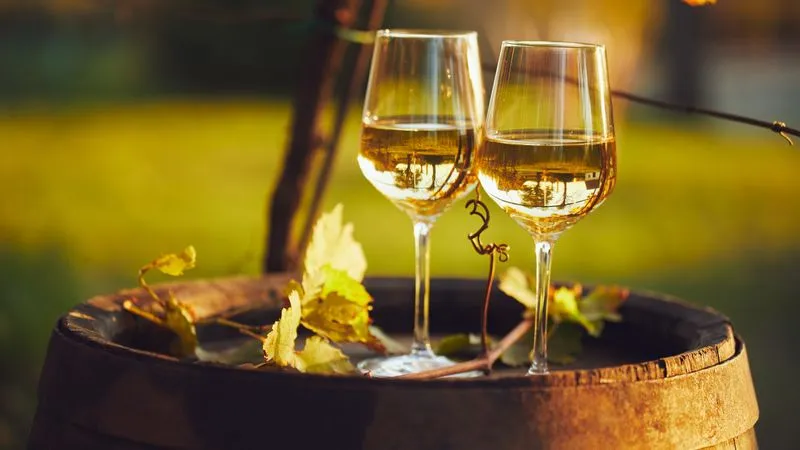
Next, it's time to take a sip of a golden-yellow glass of Sauternes, perhaps one of the most surprising of all wines. With this wine, there's no middle ground: either you pair it with foie gras, or you save it for dessert. Where others seek freshness and lightness, Sauternes fully embraces its indulgent nature. Thanks to a fungus, Botrytis cinerea, unfortunately nicknamed "noble rot", sugar reigns supreme. With 120 to 150 grams per liter, it contains more sugar than many other sweet wines, particularly late-harvest Gewürztraminers.
This extravagance comes at a price: an extremely low yield. While a classic Bordeaux vineyard produces between 40 and 55 hectoliters per hectare, Sauternes yields a maximum of just 25 hectoliters. In short, with this wine, you have to know how to savor the pleasure.
Arcachon Bay and the Dune du Pilat, at the pinnacle of nature
From Bordeaux, it's time to set course for another stretch of the Atlantic coast. Heading south, like many Bordeaux residents, we make our way toward the Arcachon Basin.
In the mid-19th century, the Pereire brothers transformed Arcachon into the major seaside resort we know today. With its villas boasting the most extravagant architecture and its endless waterfront, Arcachon quickly established itself as a chic and slightly snobbish meeting place.
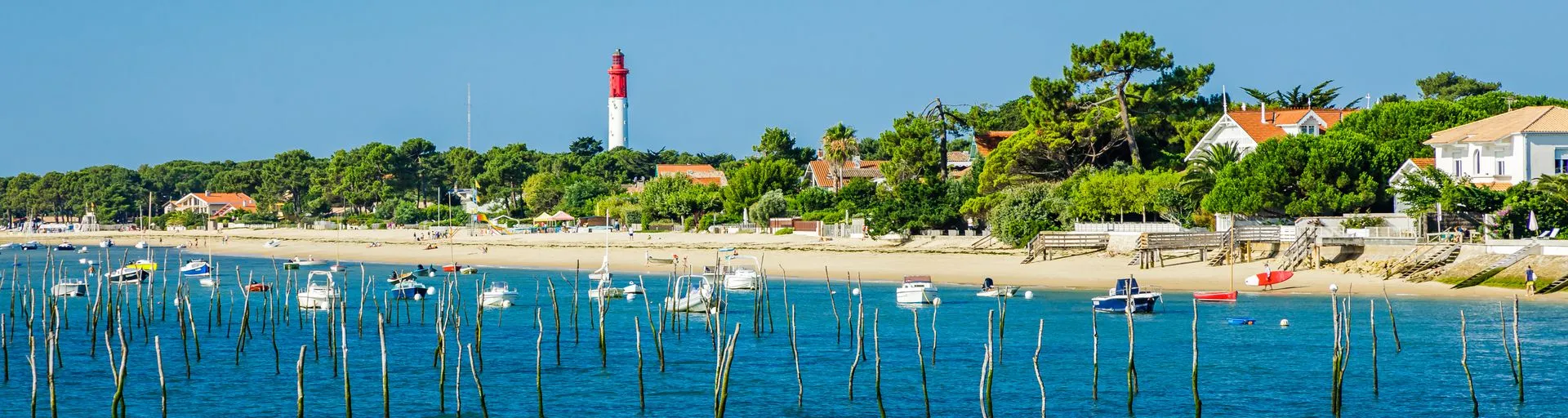
We set out on a cruise across the bay. Cap Ferret and the famous stilted huts… The majesty and tranquility of this unique natural site make us forget everything else. The waves of the Atlantic don't reach this far. At high tide, the boats seem to float on a mirror. At low tide, the landscape transforms completely, revealing sandbanks stretching as far as the eye can see. The silence is broken only by the cries of seagulls, the gentle lapping of water against the hulls, or the purr of a pinasse, the traditional boat that is part of the very soul of the bay.
Don't miss this opportunity: we savor the oysters, plumper and more intensely flavored than those from Marennes-Oléron.
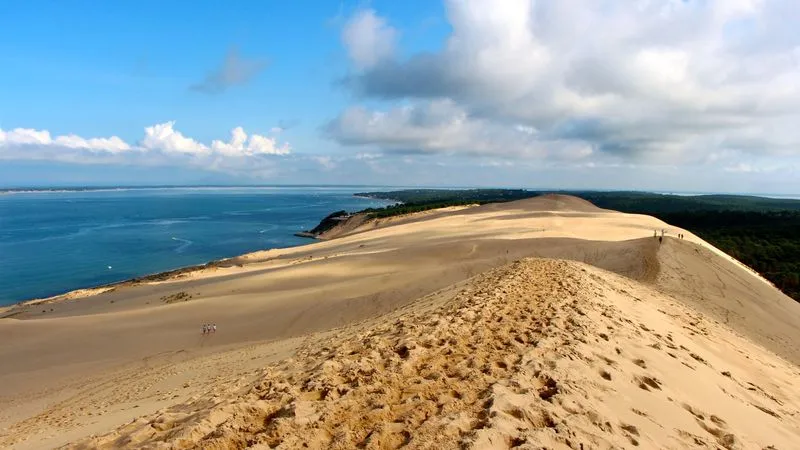
The hardest, and also the most beautiful, part lies ahead: the climb up the Dune du Pilat, the tallest sand dune in Europe, rising more than a hundred meters high. Even though the path has been paved, our calves are burning. So much sand! It’s hard to imagine that in the 18th century, there was barely enough here to build a (very large) sandcastle.
But the wind and the sea have done their work. Slowly but surely, this "ever-shifting mountain", 2.7 km long, 500 m wide, and containing around 60 million cubic meters of sand, advances a few meters each year. So it doesn’t matter if we reach the summit out of breath. The view is well worth the effort.
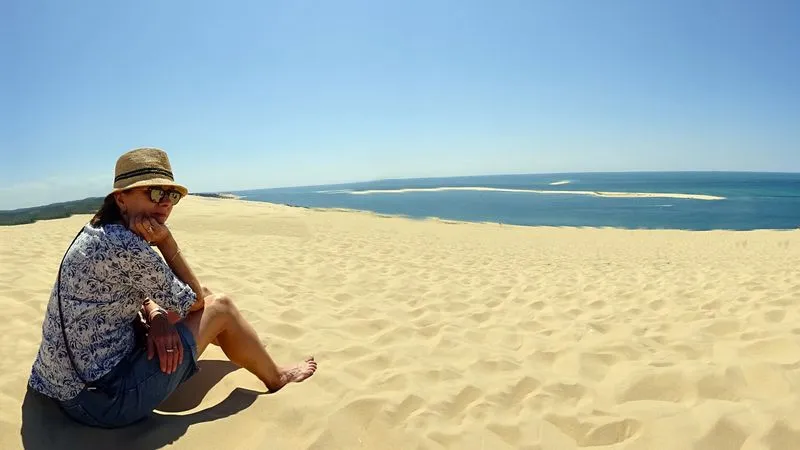
On one side, the blue of the ocean blends into the blue of the sky. The Banc d'Arguin weaves ribbons of golden sand. On the other, the green of the vast Landes forest, a sea of pine trees that seems to stretch on forever.
Fortunately, the return journey is easier. From the dune, we make our way back down with kilos of sand in our shoes and our eyes filled with wonder.
One cruise, two worlds
The last day. From the Quai des Chartrons, we bid farewell to Bordeaux one last time. Perched on the banks of the Garonne, the Cité du Vina reminds us that we've explored an exceptional wine region. Our palates still carry its aromas, even though this cruise, which has opened up new horizons for us, has taught us to take things with a grain of salt…
As we tasted our way through the region's wines, we traveled along the Garonne and the Dordogne, which meet at the Bec d’Ambès before flowing into the Gironde Estuary. The largest estuary in Western Europe (635 km², 75 kilometers long, and up to 12 km wide), it is a truly unique place. Here, the fresh water of two rivers meets the salt water of the ocean, while the landscapes are shaped by the ebb and flow of the tides.
Whether facing the sea or venturing deep into the countryside, among vineyards and charming towns, Southwest France has much to offer. The Atlantic coast is not simply a vacation spot where you spread your beach towel on seemingly endless stretches of sand. Its treasures are worth exploring and discovering.
We arrive as curious visitors and leave with a wealth of memories. For, like the great Bordeaux wines, the Southwest reveals its full richness over time: a lingering finish that makes you want to return.
About the Author
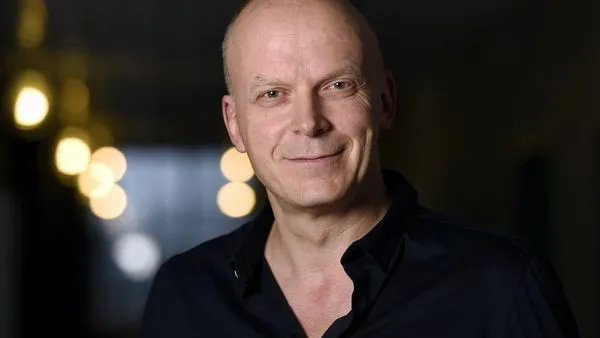
French journalist Philippe Marcacci knows CroisiEurope's ships and destinations exceptionally well, having accompanied many of the company's cruises over the years.
More information about the boat
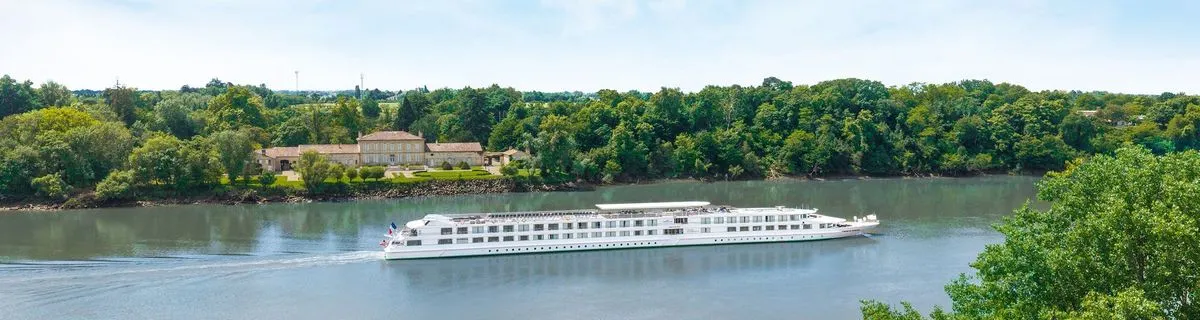
Explore our cruises in the Bordeaux region
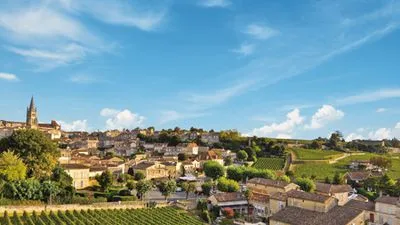
Stop in BORDEAUX - CUSSAC-FORT-MEDOC - BLAYE(2) - LIBOURNE(2) - Saint-Emilion - BOURG(2) - BORDEAUX
Historical and oenology ethusiasts, embark on a cruise along the Gironde. You will discover the precious wines from along the Garonne and the Dordogne estuaries. Explore the Medoc following a trail where you will discover a diversity in architecture unique in the world, from mansions to sumptuous buildings such as the Citadelle Vauban.
See cruise details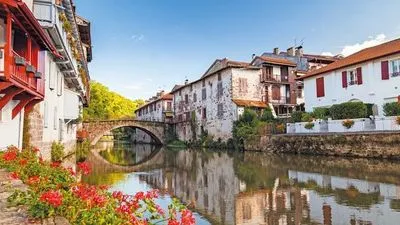
Stop in Biarritz - French Basque Country - Biarritz - Bayonne - BORDEAUX - CUSSAC-FORT-MEDOC - BLAYE(2) - LIBOURNE(2) - Saint-Emilion - BORDEAUX
Dive into the French Basque experience before a cruise on the Garonne and Gironde Rivers. Vacation in the heart of the famous seaside resort of Biarritz. Indulge in Basque culinary traditions and heritage—Espelette chili peppers, chocolate and ham in Bayonne, and Irouléguy wines. This trip will bring you to well-known pilgrimage points such as Saint-Jean-Pied-de-Port—the last stage of the Way of St. James before the Pyrenees. Then, kick back and enjoy a delightful cruise while discovering the region surrounding Bordeaux.
See cruise details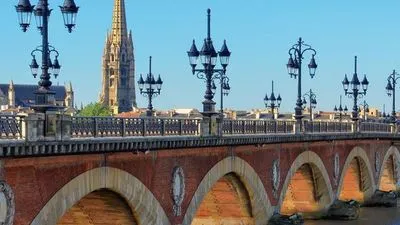
Stop in BORDEAUX - CUSSAC-FORT-MEDOC - BLAYE(2) - LIBOURNE(2) - Saint-Emilion(1) - BORDEAUX
Let yourself be carried by an inspiring cruise along the Garonne and the Dordogne. This will transport you to the heart of Bordeaux and its region. You will discover this unmissable and surprising city many of whose monuments are listed as World Heritage Sites by UNESCO, and visit the Blaye citadel which majestically dominates the estuary.
See cruise details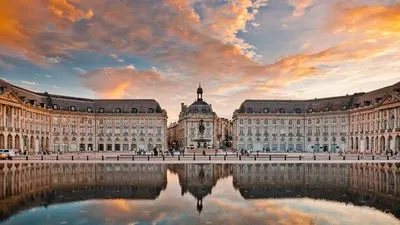
Stop in BORDEAUX – CUSSAC-FORT-MÉDOC – LIBOURNE (2) – BORDEAUX
Embark on a unique cruise entirely dedicated to the treasures of the Gironde region. Let yourself be charmed by the surroundings of Bordeaux, combining tastings of emblematic local products with festive entertainment on board. Take advantage of this special getaway to explore the world of wine from a new perspective, in venues as diverse as they are majestic, from Château Giscours to La Cité du Vin in Bordeaux, via the Cloister of the Cordeliers in Saint-Émilion. Turn your journey into a true cultural escape and discover the very best of the Gironde’s terroir and heritage.
See cruise details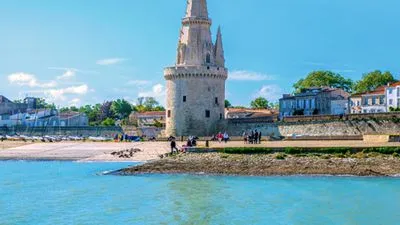
Stop in BORDEAUX - CUSSAC-FORT-MEDOC - ROYAN - Rochefort(1) - La Rochelle(1) - LIBOURNE(2) - Saint-Emilion(1) - CADILLAC - Arcachon(1) - BORDEAUX
This magnificent itinerary will take you to the heart of Southwestern France, well known for its idyllic landscapes, famous wines, historical monuments, and emblematic sites. What better way to explore this corner of French paradise than through its longstanding maritime cities and its unequivocal art of living?
See cruise details